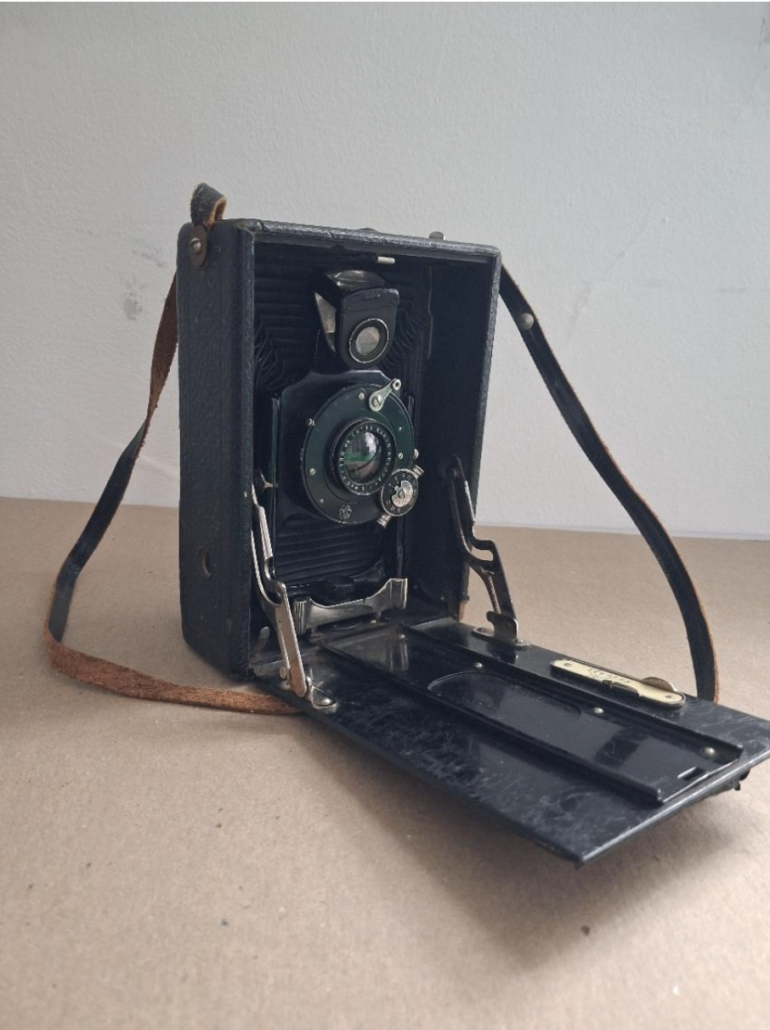
A Brief History of Cameras
Here at St Neots Museum, our latest exhibition is all about photography!
The history of cameras begins long before photography itself, with the ancient concept of the camera obscura, a darkened room or box that projects an inverted image of the outside world through a small hole. Thinkers like Aristotle studied this optical effect, laying the groundwork for image capture.
The first real photograph was created in the 1820s by Nicéphore Niépce, using a process that required hours of exposure. Soon after, Louis Daguerre developed the daguerreotype in 1839, producing clearer images on metal plates. Around the same time, William Henry Fox Talbot introduced the calotype, which allowed multiple prints from a single negative—an essential step toward modern photography.
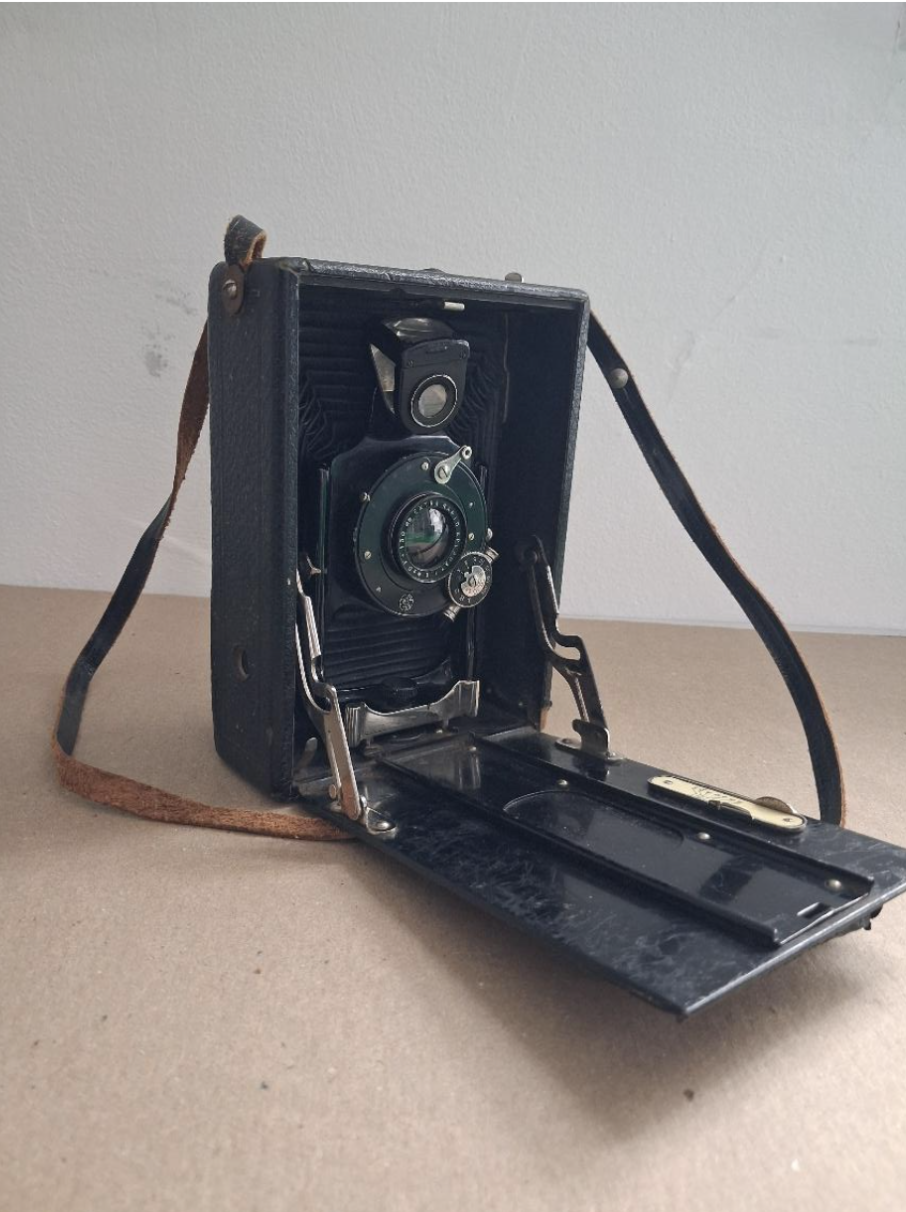
Throughout the late 19th and early 20th centuries, photography became more accessible. Companies like Polaroid and Kodak revolutionized the field with roll film and simple consumer cameras, famously promoting the idea: “You press the button, we do the rest.”
The 20th century saw rapid technological advances, including 35mm film, colour photography, and instant cameras like those from Polaroid. By the late 20th century, digital cameras emerged, replacing film with electronic sensors and allowing instant image review.
Today, cameras are embedded in smartphones and use advanced computers that have more power than all NASA did in 1969! From simple light projections to powerful digital systems, cameras have transformed how we capture and share the world around us, so join us at St Neots museum and explore with us!
Written by James whilst on work experience placement.

